- Personal Watercraft Engines, Impellers & Components Parts
- sku: 1201996830573681
- KAWASAKI 9205-557
9205-557 KAWASAKI Ventrui Hull Bilge Tube Js 300
fits model: Js, 300. year: 1986–1988.
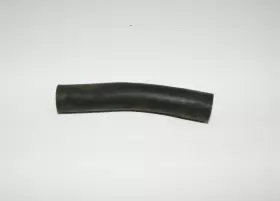
| Brand | KAWASAKI |
|---|---|
| Manufacturer Part Number | 9205-557 |
| Part Type | TUBE |
Review KAWASAKI Thru Ventrui To Hull Bilge Tube Oem# for JS 300 1986–1988
The Kawasaki 9205-557 1986-1988 JS 300 Venturi Hull Bilge Tube is a crucial component for maintaining the performance and safety of your Kawasaki Jet Ski. This bilge tube is specifically designed for the JS 300 models produced between 1986 and 1988, ensuring a perfect fit and seamless integration with your watercraft.
The tube is made of high-quality materials, ensuring durability and resistance to corrosion, even in saltwater environments. Its venturi design allows for efficient water flow, helping to quickly and effectively drain water from the hull of your Jet Ski, preventing potential flooding and keeping your watercraft in optimal condition.
The Kawasaki 9205-557 1986-1988 JS 300 Venturi Hull Bilge Tube is easy to install, with clear instructions provided for a hassle-free experience. Its design not only enhances your Jet Ski's performance but also adds a stylish touch to its appearance, making it a valuable investment for any Jet Ski enthusiast.
In summary, the Kawasaki 9205-557 1986-1988 JS 300 Venturi Hull Bilge Tube is a reliable, high-quality, and easy-to-install component that is essential for maintaining the performance and safety of your Kawasaki Jet Ski.
Pros of buying a 1986-1988 Kawasaki JS 300 Venturi hull with a bilge tube:1. Affordability: Older models like the JS 300 Venturi are usually more affordable than newer ones, making them an attractive option for budget-conscious buyers.
2. Availability of Parts: Older models often have a wide range of available parts, making repairs and maintenance easier and less expensive.
3. Simple Design: The JS 300 Venturi has a simple, reliable design that is easy to understand and maintain, which can be a plus for first-time boat owners.
4. Nostalgia: For some, the vintage look and feel of an older model like the JS 300 Venturi can be a draw.
Cons of buying a 1986-1988 Kawasaki JS 300 Venturi hull with a bilge tube:1. Limited Performance: Older models like the JS 300 Venturi may not have the same level of performance as newer models, which can be a disadvantage for those looking for speed and power.
2. Poor Fuel Efficiency: Older boats tend to be less fuel-efficient than newer models, which can result in higher fuel costs over time.
3. Potential Maintenance Issues: Older boats may have more maintenance issues than newer ones, such as worn-out parts or systems that are no longer supported by the manufacturer.
4. Lack of Modern Features: Older models like the JS 300 Venturi may not have the same level of modern features as newer models, such as GPS, Bluetooth, or digital displays.
Conclusion:If you are looking for an affordable, easy-to-maintain boat with a vintage look and feel, the 1986-1988 Kawasaki JS 300 Venturi with a bilge tube may be a good option for you. However, keep in mind that it may not have the same level of performance or modern features as newer models, and you may need to invest more time and money in maintenance and repairs.
Recommendation:If you are considering buying a 1986-1988 Kawasaki JS 300 Venturi with a bilge tube, it is important to do your research and thoroughly inspect the boat before making a purchase. Look for any signs of damage or wear, and make sure that all necessary maintenance has been done. It may also be helpful to consult with a knowledgeable mechanic or boat expert to ensure that the boat is in good condition and safe to operate. Ultimately, whether or not this boat is the right choice for you will depend on your personal preferences and needs as a boat owner.
Details:
All electrical parts are tested on the machine that they were removed from. Used oem ventrui to hull bilge tube this part came off of a running freshwater jet ski good condition, will fit 1986 thru 1988 300 model's, all my parts are cleaned, tested, and physically inspected before I listed them ensure the quality. I suggest finding out what caused the part to go bad first and fix that problem before installing any good electrical component. Something has caused your electrical part to burn out.
specifications watercraftimp:
- for models: Js, 300
- for years: 1986–1988
- brand: Kawasaki
- mpn: 9205-557
- part type: Tube
shipping watercraftimp:
- service: usps ground advantage
- carrier: usps
- type: fixed
- transit: 6-10 days
- class: standard
offer watercraftimp:
- best offers: true
- sold #: 33
- availability: in stock
- price: $5.99
- item condition: Used
- started: april 4, 2024
- in stock #: 1
- options: ship-to-home
returns watercraftimp:
- paid by: buyer
- policy: returns accepted
- time: 30 days
seller watercraftimp:
- rating: 99.5%
- city: sutherland, nebraska
- # reviews: 3309
payments watercraftimp:
- credit card: mastercard
- wallet: google-pay
general watercraftimp:
- category: Watercraft Parts > Engines > Impellers Components
Similar Items:
- Kawasaki 39159-3715 1992 Thru 1993 Ss 750 Drive Shaft Oem 1993 750 SS - JH750-A2. I suggest finding out what caused the part to go bad first and fix that problem before installing any good electrical component. Something has caused your electrical part to burn out. All electrical parts are tested on the machine that they were removed from. Used oem drive ...(December 15th, 2023)
- Kawasaki 14093-1164 2023 Jetski Ultra 310 Lx Oem Front Storage Cover Console 2022 ultra 310LX JT1500VNFNN - hull middle fittings. Gilbert's, il 60136, phone: 1/8 47 791-7810 or 630 965-8628 for sale is a oem storage cover console removed from 2023 Kawasaki ultra 310 LX. 2023 ultra 310LX JT1500VPFNN - hull middle fittings...(December 15th, 2023)
- Kawasaki 92161-1388 2023 Jetski Ultra 310 Lx Oem Battery Holder 32097-3709 Gilbert's, il 60136, phone: 1/8 47 791-7810 or 630 965-8628 for sale is a oem battery holder removed from 2023 Kawasaki ultra 310 LX...(December 15th, 2023)
- Kawasaki 92161-3797 2023 Jetski Ultra 310 Lx Oem Drive Shaft Pto Damper 2011 jet ski ultra 300LX JT1500JBF - drive shaft. 2023 ultra 310LX-S JT1500WPFNN - drive shaft. 2023 ultra 310LX JT1500VPFNN - drive shaft. Gilbert's, il 60136, phone: 1/8 47 791-7810 or 630 965-8628 for sale is a oem drive shaft damper removed from 2023 Kawasaki ultra 310 LX...(December 15th, 2023)
- Kawasaki 14093-1177 2023 Jetski Ultra 310 Lx Oem Handle Bar Pad Cover Gilbert's, il 60136, phone: 1/8 47 791-7810 or 630 965-8628 for sale is a oem bottom handle bar cover removed from 2023 Kawasaki ultra 310 LX. 2023 ultra 310LX JT1500VPFNN - fuel tank. 2023 ultra 310LX-S JT1500WPFNN - fuel tank. 2022 ultra 310LX JT1500VNFNN - fuel tank...(December 15th, 2023)
- Kawasaki 44071-0776 2023 Jetski Ultra 310 Lx Oem Supercharger Damper Shock Gilbert's, il 60136, phone: 1/8 47 791-7810 or 630 965-8628...(December 15th, 2023)
- Kawasaki 49079-0028 2023 Jetski Ultra 310 Lx Oem Supercharger Pulley Gilbert's, il 60136, phone: 1/8 47 791-7810 or 630 965-8628 for sale is a oem pulley removed from 2023 Kawasaki ultra 310 LX...(December 16th, 2023)
- Kawasaki 56007-0197 2023 Jetski Ultra 310 Lx Oem Tool Kit Tool-kit Gilbert's, il 60136, phone: 1/8 47 791-7810 or 630 965-8628 for sale is a oem tool kit removed from 2023 Kawasaki ultra 310 LX. 2023 ultra 310LX JT1500VPFNN - owners tools. 2023 ultra 310LX-S JT1500WPFNN - owners tools. 2022 ultra 310LX JT1500VNFNN - owners tools...(December 16th, 2023)
- Kawasaki 53066-0806-71b 2023 Jetski Ultra 310 Lx Oem Rear Seat Gilbert's, il 60136, phone: 1/8 47 791-7810 or 630 965-8628 for sale is a oem rear seat removed from 2023 Kawasaki ultra 310 LX. 2022 ultra 310LX JT1500VNFNN - hull front fittings...(December 16th, 2023)
- Kawasaki 14093-1166-66u 2023 Jetski Ultra 310 Lx Oem Cover Hood Hatch M.s.gold Gilbert's, il 60136, phone: 1/8 47 791-7810 or 630 965-8628 for sale is a oem hood removed from 2023 Kawasaki ultra 310 LX. 2022 ultra 310LX JT1500VNFNN - hull front fittings...(December 16th, 2023)
- Kawasaki 26011-0835 2023 Jetski Ultra 310 Lx Oem Wire Lead Negative Gilbert's, il 60136, phone: 1/8 47 791-7810 or 630 965-8628 for sale is a oem negative wire lead removed from 2023 Kawasaki ultra 310 LX...(December 16th, 2023)
